

Mastering customer engagement with Conversational AI
The Evolution of Customer Service
Customer service has undergone a remarkable transformation, evolving from conventional methods to a landscape shaped by cutting-edge AI technologies. This shift is not just a change in tools; it is a complete reimagining of how client interactions are managed and optimized.
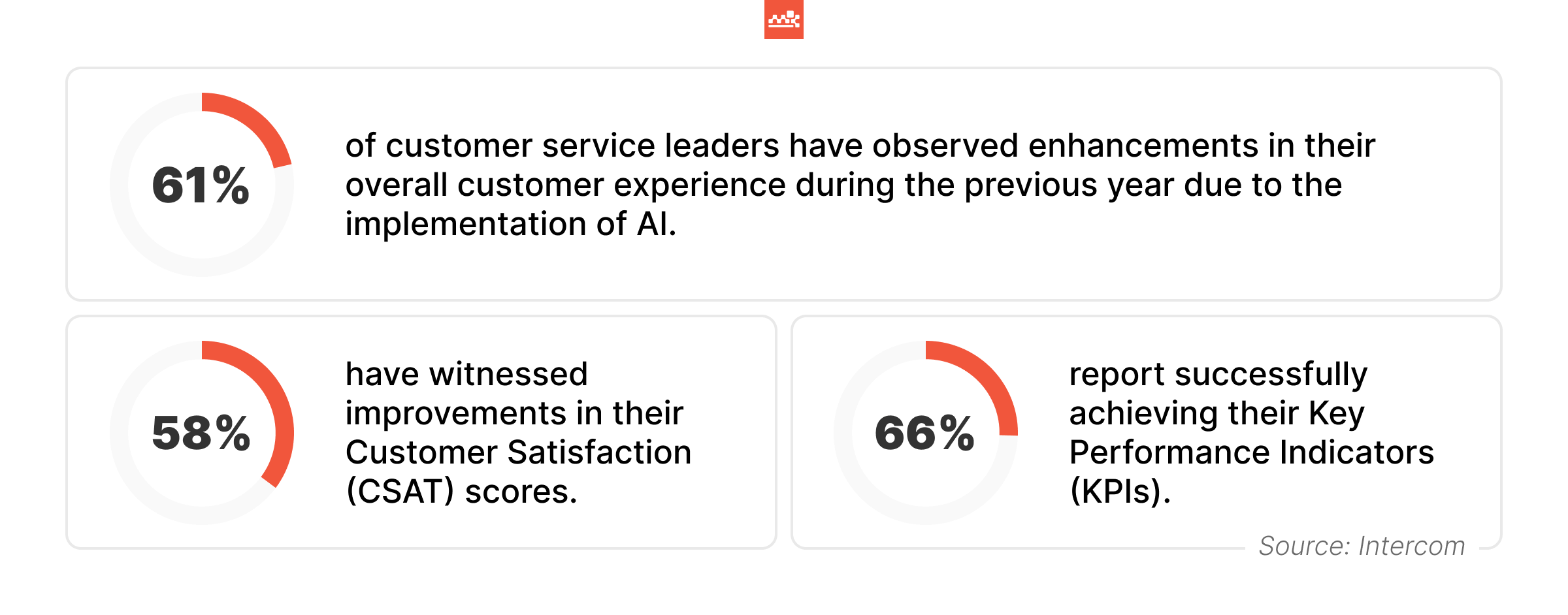
In the past, customer service was often reactive and limited by human capacity. Long wait times and repetitive queries were common, often leading to consumer frustration. Now, we have entered the era of AI-driven client assistance. Artificial intelligence does not simply manage; it learns and adapts, delivering personalized replies and predictive solutions. This transition marks a significant leap from mere transactional relations to engaging experiences.
AI is revolutionizing communications, primarily through conversation intelligence. This technology goes beyond automated responses; it understands context, gauges sentiment, and provides tailored support. Using it, companies can analyze vast amounts of data from dialogues, turning them into actionable insights. This allows businesses to not only respond to buyer needs but also anticipate them, offering a proactive approach to client care.
The integration of AI into customer service channels represents a complete overhaul of the traditional paradigm. It is about creating a more intuitive, efficient, and satisfying user experience. This way, we can align our strategies with the dynamic expectations of today’s consumers.
Key Benefits of Conversational AI for Customer Engagement
Artificial intelligence fundamentally transforms the landscape of customer retention. Organizations that adopt AI report upgraded support service capabilities, shorter wait times, a boost in buyer satisfaction, and better data analysis. These improvements foster stronger, long-term consumer relationships and heighten overall contentment with the services provided.
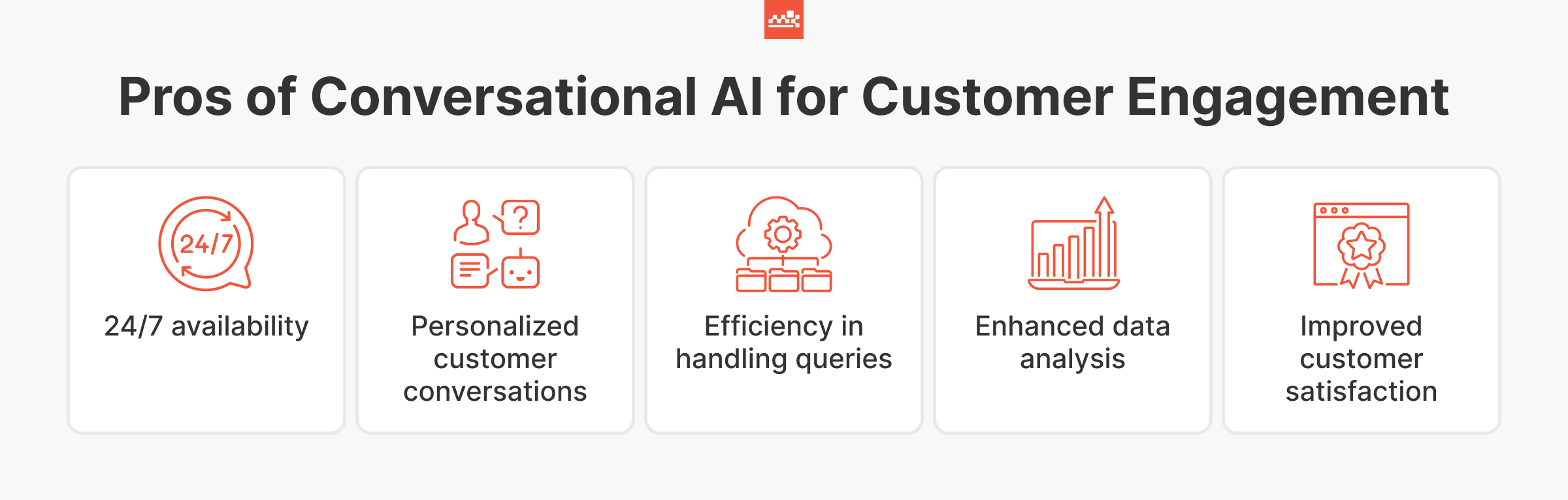
Let’s explore the crucial advantages that make this possible:
- 24/7 availability. Ever-present, Conversational AI offers uninterrupted client care. Its round-the-clock assistance ensures consumers always have help at hand, breaking free from the limitations of traditional working hours.
- Personalized customer conversations. AI does not just respond; it adapts. By analyzing data and dialogues, it crafts answers that resonate with each buyer. Thus, every interaction feels unique and valued.
- Efficiency in handling queries. AI-driven systems are capable of managing multiple inquiries at once. They streamline operations and slash waiting times, leading to faster solutions and happier customers.
- Enhanced data analysis. A powerhouse in dataset interpretation, the technology turns each exchange into actionable insights. Conversational intelligence drives smarter business decisions and support enhancements.
- Improved customer satisfaction. The blend of cost-effectiveness, personalization, and constant accessibility fosters a positive brand perception, transforming service from a basic necessity into a defining aspect of the user journey.
How to Implement Conversational AI Successfully
Effectively incorporating artificial intelligence into customer engagement strategies requires a strategic approach, mindful of both the possibilities and the pitfalls. While the benefits are clear, companies often face challenges during implementation. Key issues include agent training, integration complexities, and user-friendliness. Addressing such problems head-on is crucial for a smooth transition.
When integrating artificial intelligence into your client care strategy, consider these six best practices:
- Robust conversation design. Craft dialogues that are engaging, natural, and reflective of your brand’s voice. This involves understanding consumer needs and preferences to create meaningful communication.
- Leverage data insights. Utilize the observations gathered from interactions to continually refine and improve dialogue flows and responses, ensuring they remain relevant and effective.
- Seamless integration with existing systems. Verify that the AI solution works harmoniously with your current CRM and data infrastructure for a unified procedure of information management.
- Focus on user experience. Develop the AI interface to be intuitive and convenient for clients and the employees managing the backend.
- Ongoing training and support. Regularly update and train your team on the latest AI advancements and optimal techniques to maximize the system’s potential.
- Adherence to privacy and compliance standards. Maintain strict data security and adhere to industry-specific regulatory frameworks to protect both your business and your customers.
Case Studies
Food Industry Brand Promotion
A food industry brand launched an engaging digital assistant for a promotional contest. The innovative solution targeted a younger demographic of pizza enthusiasts, promoting a new product line through a messaging bot. This tool not only raised awareness but also encouraged contest participation by blending information with entertainment.
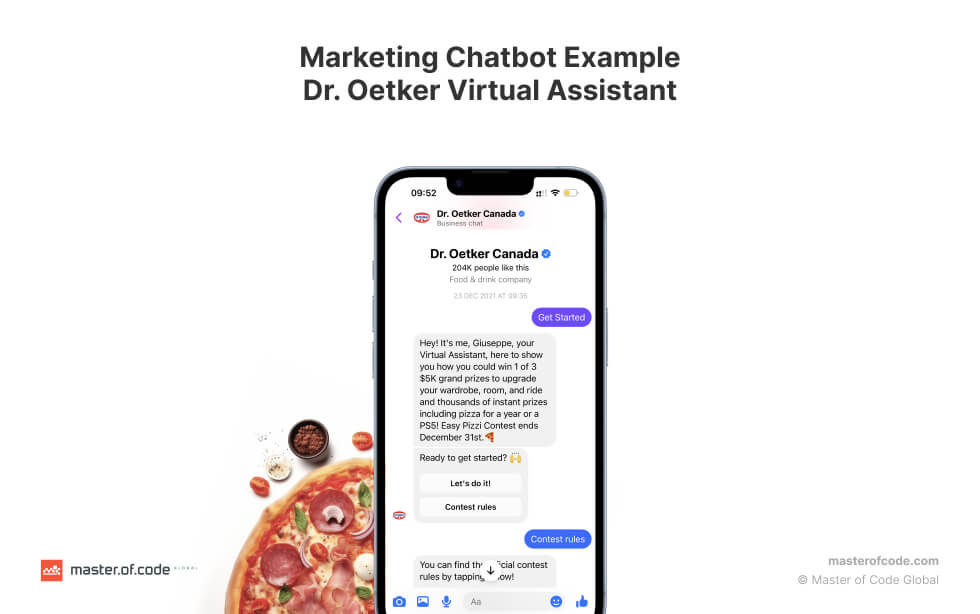
The solution streamlined contest entries and offered a user-driven experience with chances to win instant prizes. An integrated AR filter for social media added another layer of involvement, making the campaign more appealing and interactive. The project showcased the power of Conversational AI in enhancing brand engagement.
Driving Auto Sales
An automotive group utilized a social media chatbot to enhance sales and customer interactions. Designed to engage car shoppers in proximity to their dealerships, this digital assistant initiated conversations through a messaging platform. It effectively identified prospective buyers, directing them to visit retailers or complete lead forms.
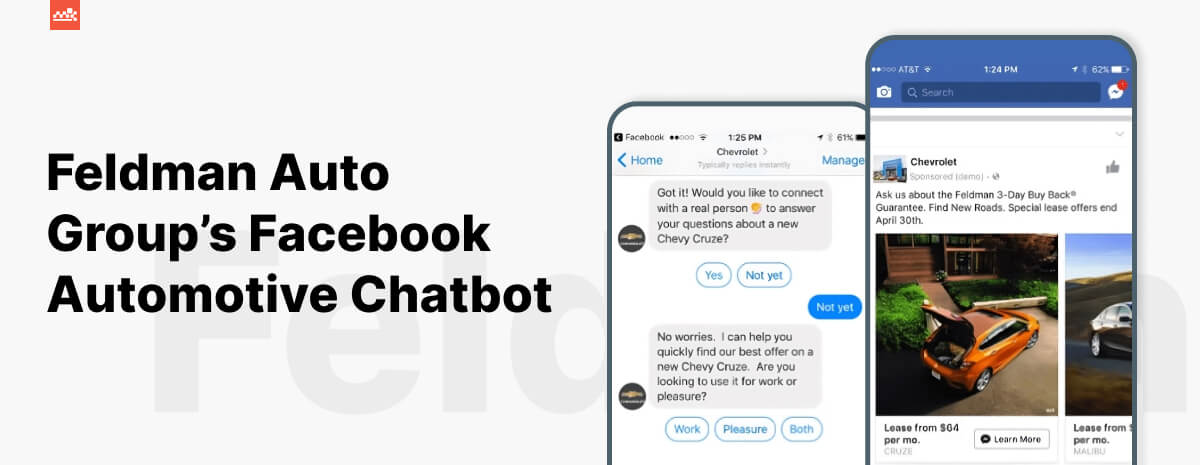
The adoption of this strategy has led to a significant number of vehicle transactions monthly. Such results underscore the bot’s efficiency in prospect qualification and improving the buyer journey. This method exemplifies the effective use of AI to automate sales processes in the auto sector.
eCommerce Personalization
For a special Mother’s Day campaign, an eCommerce flower company created an innovative Generative AI-powered bot. This initiative aimed to enhance the gift-giving experience, enabling customers to communicate with the company in a unique and personalized way. Clients interacted with the chatbot to answer daily questions, with top participants winning a free bouquet.

What set this tool apart was its ability to create customized greeting cards using a Large Language Model framework. This feature allowed winners to generate one-of-a-kind messages for their loved ones, each tailored to their preferences, ranging from fun and light-hearted to deep and heartfelt.
The integration of cutting-edge technologies underpinned this seamless and engaging user journey. The campaign’s success was evident, with high user completion and engagement rates. This project demonstrated the immense potential of artificial intelligence in enhancing customer engagement.
Having explored how artificial intelligence is enhancing user engagement, let’s shift our attention to what the future holds. Many client support leaders anticipate that AI and automation will positively transform customer experiences within the next five years. This optimism is grounded in the evolving capabilities of artificial intelligence.
Future investments are expected to focus on applications that utilize natural language processing to accurately discern buyer intent, fostering more effective self-service solutions. Additionally, advancements in sentiment analysis, which interprets tone and emotional nuances in interactions, are set to elevate the depth and quality of consumer engagements.
A particularly exciting development is in the realm of Generative AI technologies. These improvements promise to further refine and sophisticate Conversational AI, enabling it to generate responses that are increasingly human-like in their relevance and empathy.
Thus, the future of customer engagement through Conversational AI appears promising. Businesses can look forward to AI-driven tools that respond to buyer needs more efficiently. Furthermore, they will contribute to building stronger, more personalized client relationships.
Conclusion
We’ve delved into the pivotal role of Conversational AI in revolutionizing customer engagement. By offering personalized, efficient service around the clock, it’s reshaping how businesses interact with their clients. Its integration, though challenging in areas like training and compatibility, can be navigated through strategic practices such as data-driven conversation design.
As we look ahead, advancements in new technologies, particularly in natural language processing and Generative AI, promise even more innovative and empathetic ways to connect with and understand customers.
